AI
How AI is changing customer support, contact centers, and back-office operations: tools, rollouts, and where humans stay in the loop.
47 posts
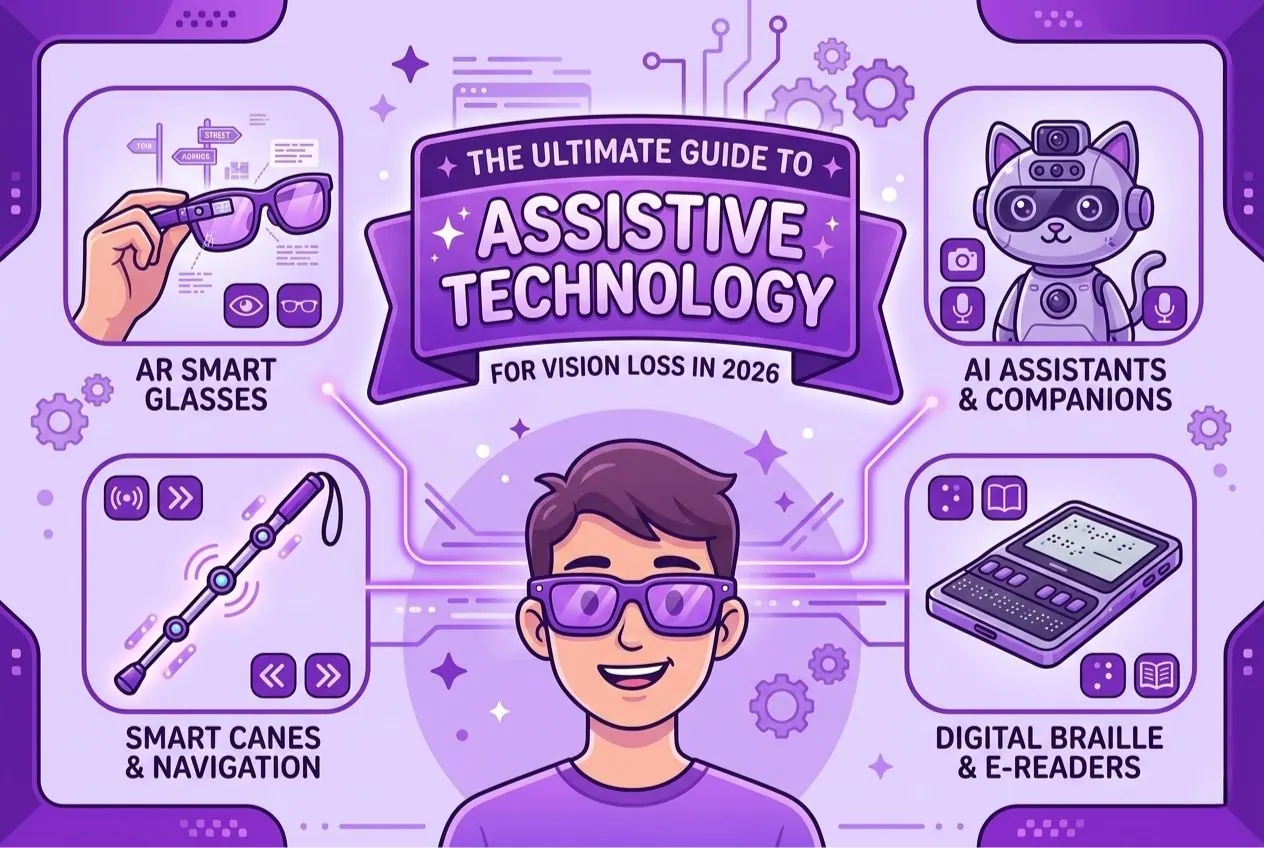
The Ultimate Guide to Assistive Technology for Vision Loss in 2026
Assistive technology for vision loss in 2026 uses smart AI, wearables, and mobile apps to help people see, read, and navigate independently. These tools range from simple magnifiers to AI-powered glasses that describe surroundings in real time. For example, a smartphone app can r
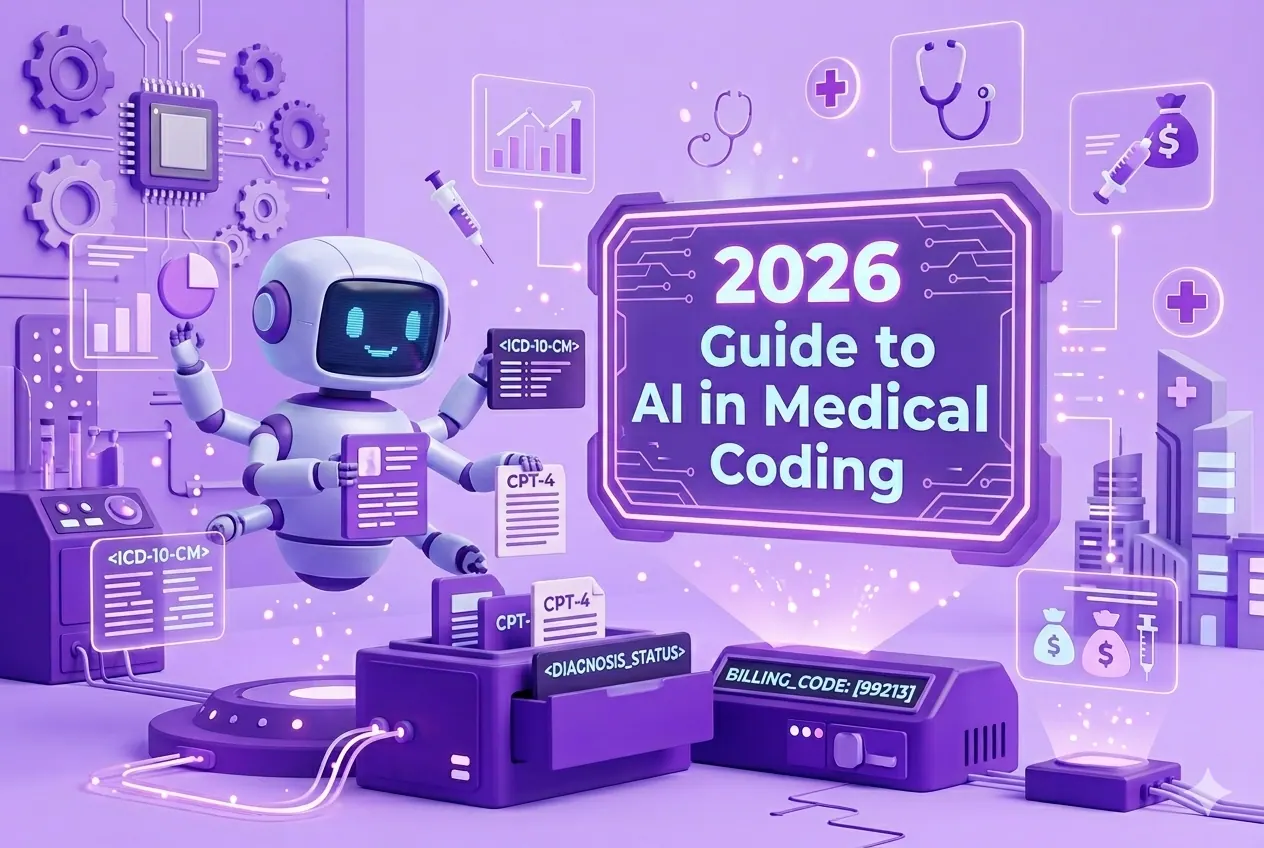
The 2026 Guide to AI in Medical Coding: Accuracy, Compliance, and the Human-in-the-Loop
AI in medical coding uses Natural Language Processing (NLP) and Machine Learning (ML) to analyze clinical notes and automatically assign standardized ICD-10, ICD-11, and CPT codes. In 2026, AI-driven systems are proven to reduce coding time by 40% and increase accuracy to 95%+, s

The "Folder of Doom" is Dead: My Honest Take on the benefits of EHR for patients
The benefits of EHR for patients are faster, safer, and more connected care because your medical history is stored digitally and can be shared securely when you need it. With an EHR, you can view lab results in a patient portal, reduce medication errors through automatic interact
Why Telehealth Primary Care Is Transforming Patient Access to Services
Imagine waking up on a cold Tuesday with a sore throat and a mild fever. Instead of sitting in traffic or spending hours in a crowded clinic, you open an app, connect with a licensed provider, and get a diagnosis plus a treatment plan, without ever leaving home. This is the every
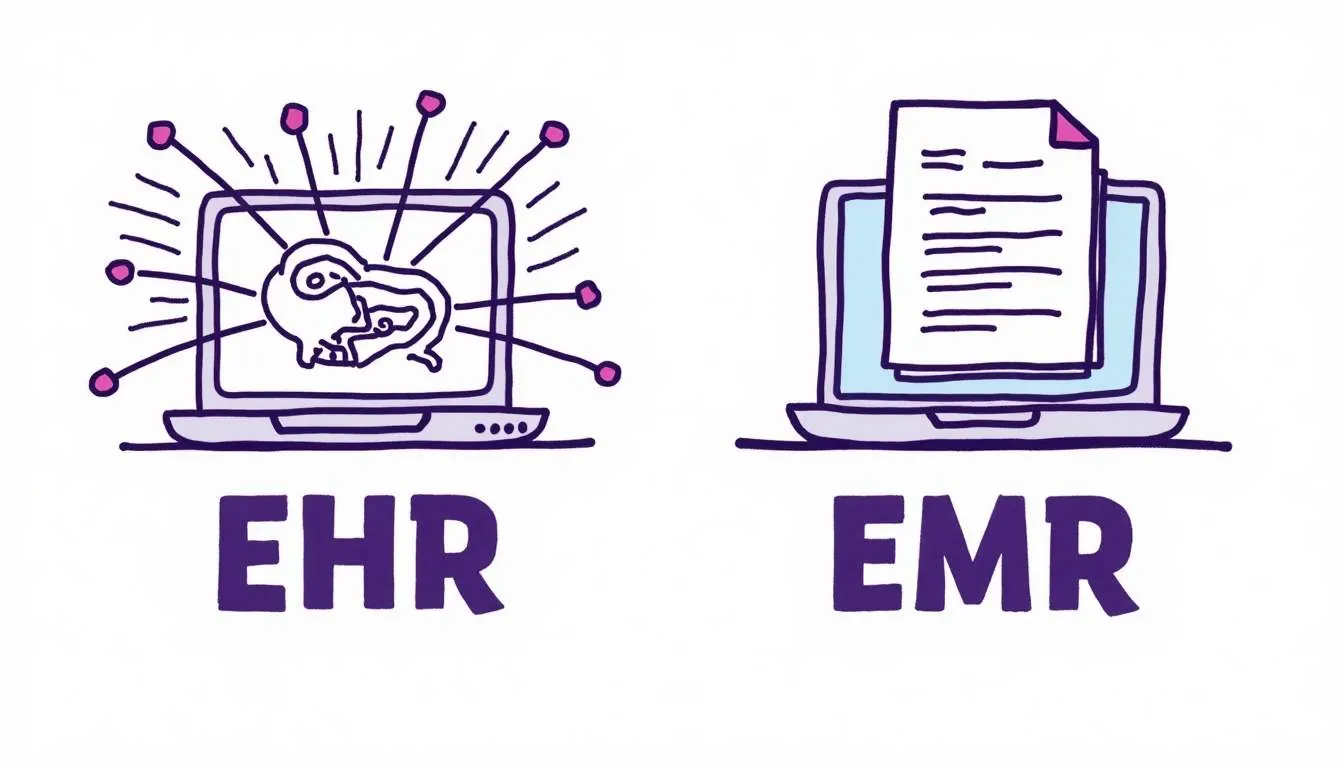
EHR and EMR Differences: Understanding Key Distinctions
Do‍‍‍ you remember the times when you had to carry your health record files in a doctor's office? These files were filled with lab results, notes, and all kinds of documents. It felt like going through the history of your entire health each time you flip
The Importance of Documentation in Healthcare: Ensuring Quality and Safety
Healthcare documentation is essential because it keeps patients safe and care teams aligned with accurate, up-to-date records. Clear notes reduce preventable errors, support continuity of care across multiple providers, and provide legal and regulatory proof of what was done and
What Is Medical Transcription? A Comprehensive Guide
A virtual dental receptionist is a remote team member who answers calls and messages, schedules appointments, and handles basic admin tasks so your in-office staff can focus on patient care. They can support phone, email, web chat, and even social messages, often with after-hours

Optimizing Revenue Cycle Management for Dental Practices
Revenue cycle management for dental practices is the full process of getting paid, from patient registration and insurance verification to coding, claims follow-up, and collecting the final balance. It matters because small billing errors or missed denials can slow cash flow and

What Is Virtual Primary Care? Understanding Its Benefits and Impact
Virtual primary care is ongoing primary healthcare delivered remotely through secure video, phone, or messaging, supported by tools like EHRs and remote monitoring. It goes beyond a one-off telemedicine visit by covering routine checkups, preventive advice, chronic condition mana

AI Tools for Mental Health: Revolutionizing Emotional Wellbeing
AI tools for mental health are digital applications that use machine learning, natural language processing, and predictive analytics to provide 24/7 support, early crisis detection, and personalized treatment plans. By analyzing user data such as speech patterns, text sentiment,

Top Revenue Cycle Management Best Practices for 2025 Success
As healthcare change fast, successful healthcare revenue cycle management depends on strong Revenue Cycle Management (RCM). Payer rules, patient needs, and laws grow more complex. To stay stable, providers must follow smart methods. In 2025, success means using tech, data, and pa

Top Benefits of Revenue Cycle Management Software for Healthcare Providers
Today’s healthcare system faces tough financial challenges. Revenue Cycle Management Software helps cut billing errors and speed up payments. It boosts cash flow and eases admin tasks. As rules and payer demands shift, providers need smart tools to stay efficient. This software l

Regulation, Privacy & Safety: Ethics of AI Tools in Behavioral Health Outsourcing
Ethical AI use in behavioral health outsourcing means choosing and managing AI tools in ways that protect privacy, follow regulations, and prevent harm to vulnerable patients. Providers must ensure HIPAA-compliant data handling, clear consent, and transparency that patients are i

Top Healthcare Revenue Cycle Challenges and How to Overcome Them
Healthcare revenue cycle challenges happen when billing, coding, claims, and collections break down at any point from scheduling to final payment. These issues often show up as claim denials, slow reimbursements, patient balance delays, and reporting gaps caused by outdated syste
Benefits of a Personal Medical Assistant: The Future of Healthcare
A personal medical assistant is an AI-powered health tool that helps you manage care day to day with reminders, symptom tracking, and personalized guidance based on your data. It can prompt medication times, help schedule appointments, answer basic health questions, and share use

AI Chatbot for Emotional Support: Benefits, Features & How It Helps
AI chatbots for emotional support are digital tools that provide instant guidance and coping strategies through text or voice conversations. Designed to assist with stress, anxiety, and everyday mental wellness, these chatbots use natural language processing to understand feeling

Ambient AI Scribes and Documentation Automation: A Doctor's New Best Friend
Clinical documentation is one of those things that’s necessary but no one really enjoys it. After a full day of seeing patients, the last thing most doctors want to do is sit down and type notes into an EHR. And yet, that’s exactly what’s been happening for years. But now we’ve g
Top AI in Healthcare Courses to Enhance Your Medical Career
AI in healthcare courses are educational programs designed to teach medical professionals how to use artificial intelligence to improve patient diagnosis, treatment, and hospital operations. These courses cover essential topics like medical imaging, predictive analytics, and the

The Future of Medical Claims Processing: Trends and Innovations
Medical claims processing is the step-by-step workflow that turns a patient visit into a paid claim, including eligibility checks, correct coding, documentation review, and payer rule validation. When this process is slow or manual, it leads to denials, delayed reimbursements, an
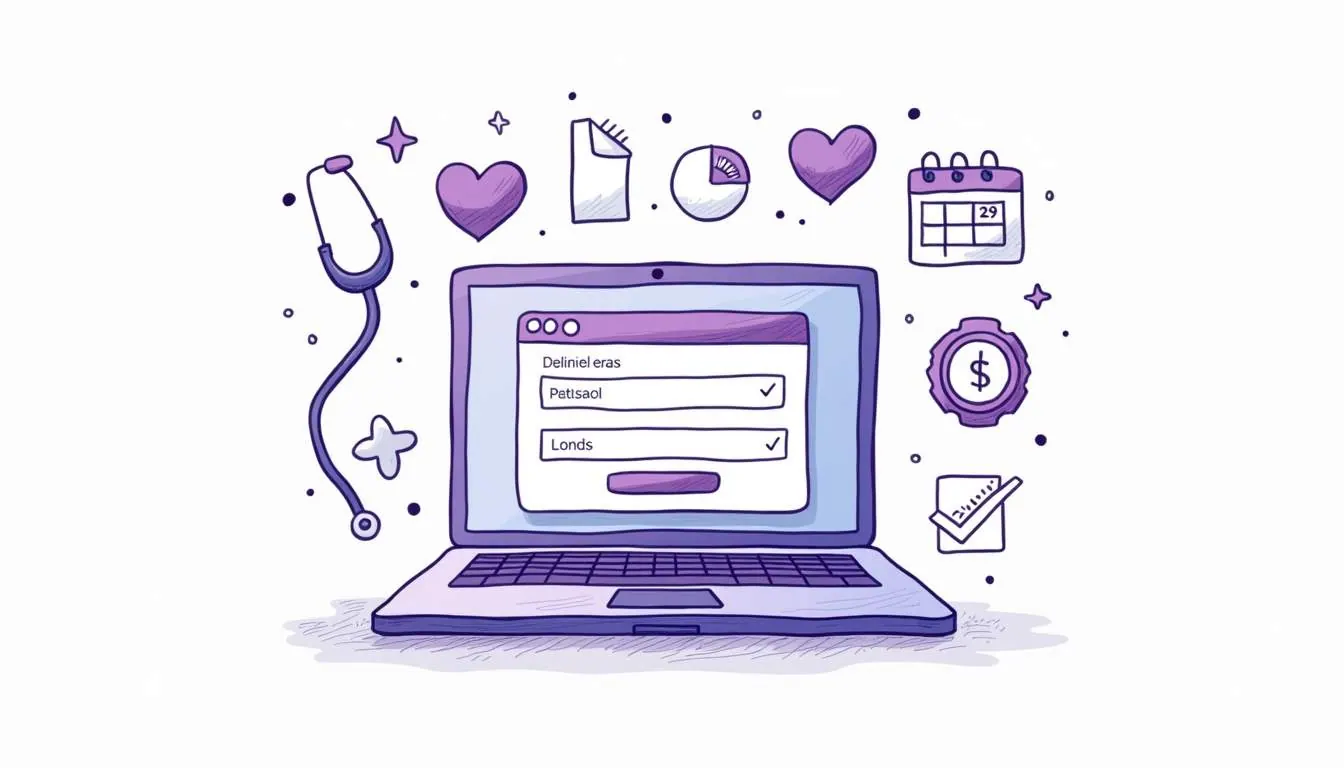
How to Easily Book a Primary Care Online Appointment
In today's busy world, ease matters, especially in healthcare. Booking a primary care online appointment saves time and skips long calls or crowded waiting rooms. With telemedicine growing fast, seeing your doctor now takes just a few clicks. This simple guide shows how to book a
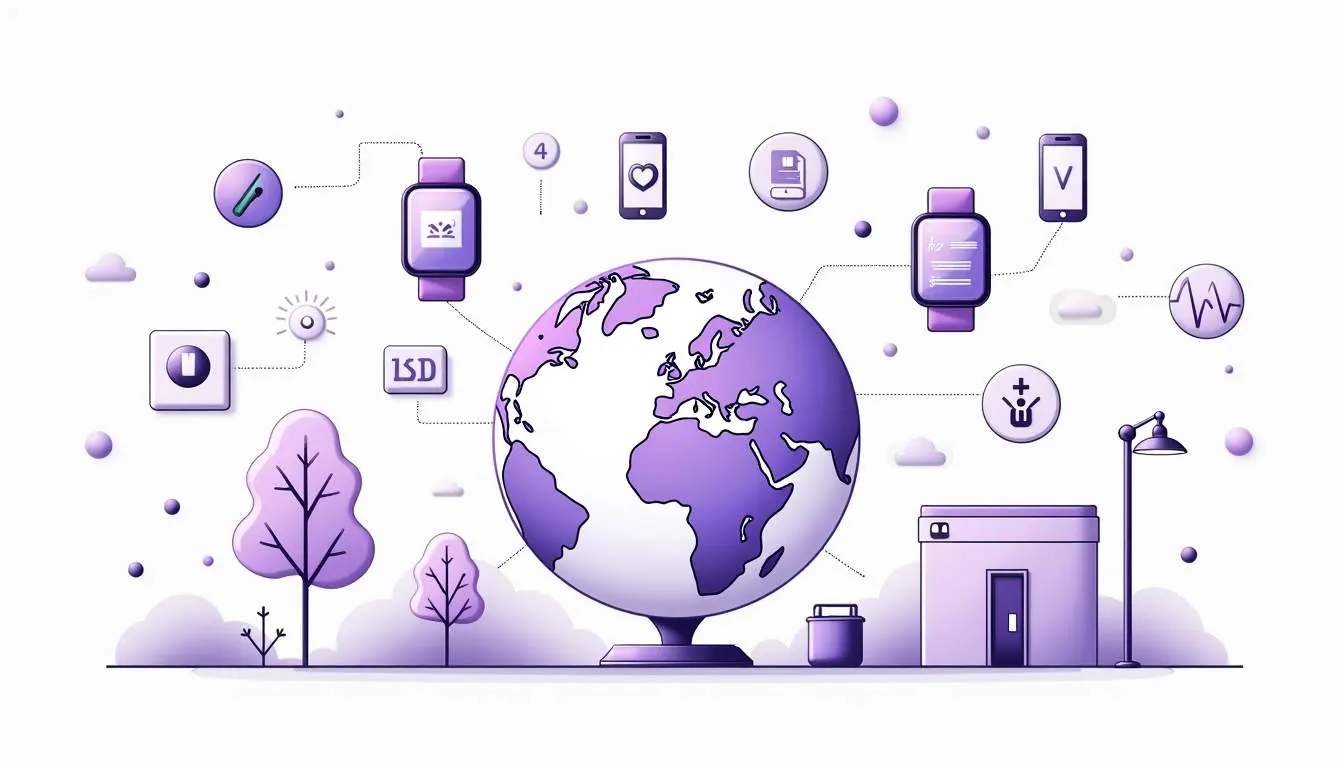
AI Remote Patient Monitoring: Revolutionizing Healthcare from Afar
Healthcare has undergone rapid transformation during the recent years because of new technological advancements. AI Remote Patient Monitoring represents a major transformation which unites artificial intelligence with real-time health monitoring capabilities. The new tool enables
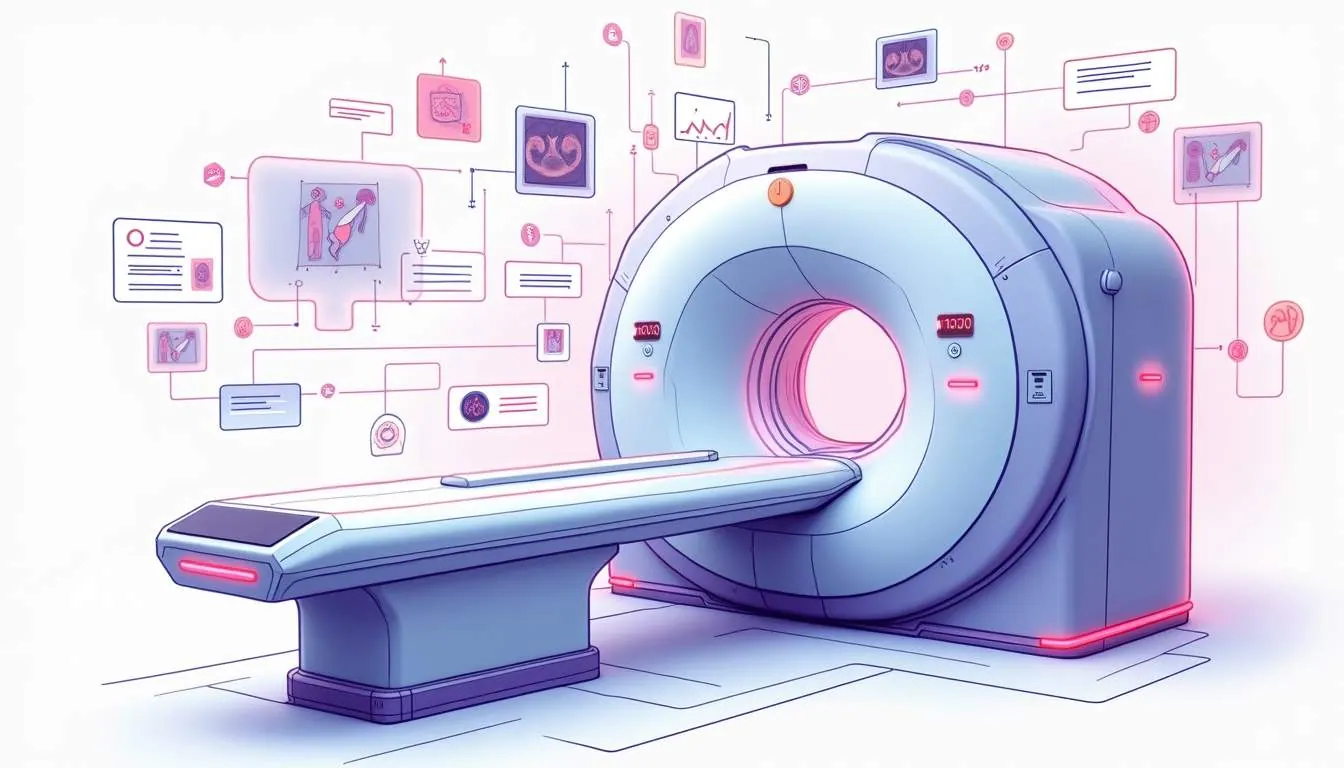
The Role of AI in Medical Imaging: Revolutionizing Healthcare
AI is revolutionizing medical imaging by helping doctors read scans faster and more accurately, so diseases can be found and treated earlier. It uses machine learning to spot patterns in X-rays, CT scans, MRIs, and mammograms, and it can also improve image quality and prioritize

Understanding the Cost of AI in Healthcare
The cost of AI in healthcare includes far more than a license or cloud subscription. Healthcare teams often pay for data cleanup and labeling, model development and validation, compute infrastructure, integration with EHR workflows, compliance and legal review, staff training, an
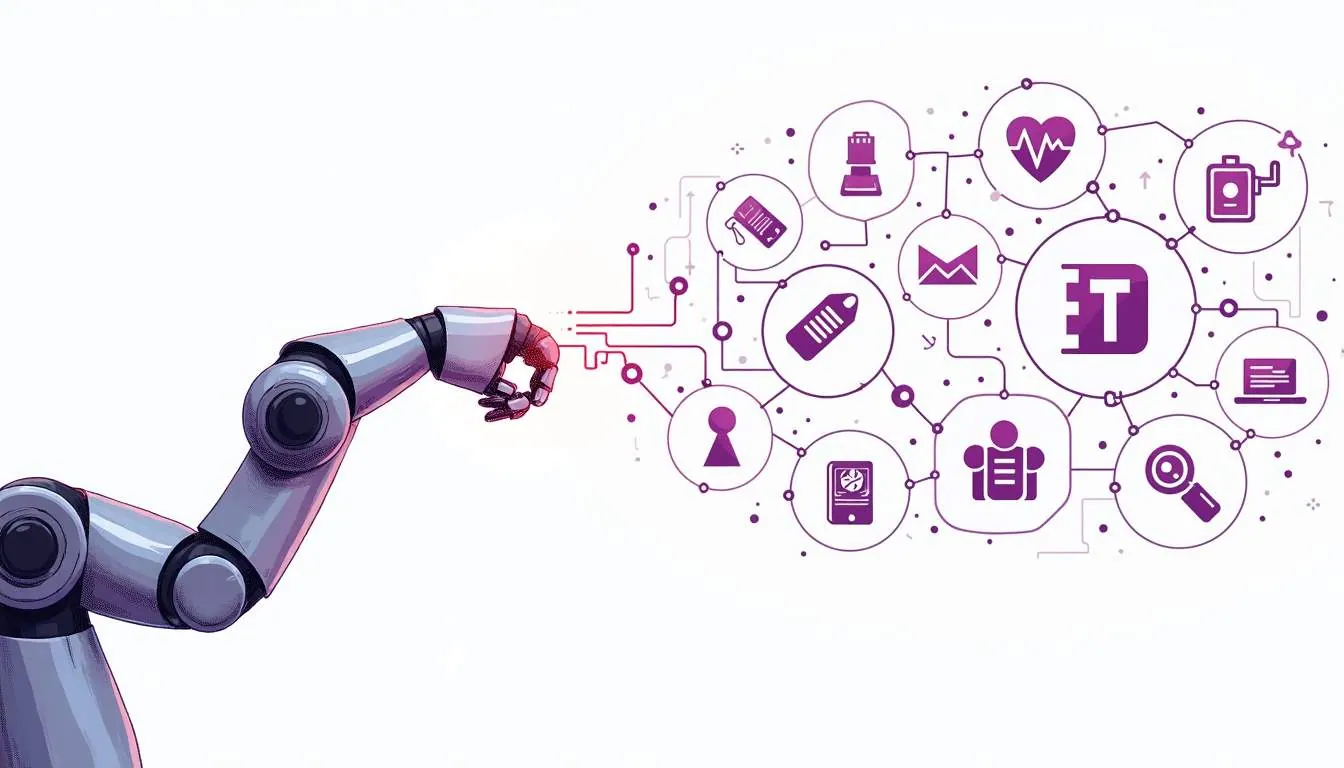
Robotic Process Automation in Healthcare: Benefits and Implementation
Robotic process automation in healthcare uses software “bots” to handle repetitive, rule-based work like scheduling, eligibility checks, claim submission, prior auth status checks, and data entry across EHR and payer portals. The upside is faster turnaround, fewer errors, better
AI in Primary Care: Transforming Diagnosis, Treatment, and Patient Experience
AI in primary care is used to improve diagnosis, personalize treatment, and make visits smoother by helping clinics triage patients, automate routine admin work, and support shared decisions without replacing the clinician. It can route patients to the right level of care, send r

Chatbot Technology in Healthcare: Use Cases, Benefits, and Impact on Patient Care
Chatbot technology in healthcare uses AI and natural language processing to answer patient questions, automate routine tasks, and support care anytime. It can schedule appointments, send medication reminders, share basic symptom guidance, and collect information before a teleheal

Home Assistant for Elderly: How AI Home Care Improves Safety and Independence
A home assistant for elderly care is a smart AI-powered tool designed to help seniors live independently and safely at home. These systems can monitor health, detect falls, provide medication reminders, and offer social interaction to reduce loneliness. Families and caregivers be
Claims Denial Management in 2025: Best Practices, Tools, and Trends
Claim denials are a massive headache. They slow down payments, eat up staff time, and cost hospitals and clinics billions. So what’s really going on? In my experience as someone who worked in healthcare, the old approach to claims denial management just does not work anymore. Rea

Predictive Analytics in Denial Management
Managing revenue in healthcare is like trying to plug holes in a leaky bucket. Just when you think everything’s under control, a denied claim slips through and throws everything off. Denials have always been part of the process, but now they’re piling up fast. Hospitals reportedl
Conversational AI in Healthcare: Revolutionizing Patient Engagement and Care
Conversational AI in healthcare uses chatbots and voice assistants to talk with patients in natural language, helping them get information and support faster. It can answer common questions, schedule appointments, send medication reminders, and guide symptom checks, often 24/7. F
Virtual Receptionist in Healthcare: Pros and Cons
A virtual receptionist in healthcare answers calls, schedules visits, and routes messages remotely, helping clinics reduce missed calls and keep calendars full. The biggest pros are lower staffing costs, extended coverage (nights/weekends), and faster response times. The main con

AI and Automation in Healthcare: Transforming Patient Care and Efficiency
AI and automation are used in healthcare to improve diagnosis, personalize treatment, and reduce the day-to-day workload on clinical teams. They can analyze medical images to spot issues earlier, predict who is at risk for conditions like sepsis, and automate tasks like documenta
AI Chatbot for Healthcare: Revolutionizing Patient Engagement and Care
An AI chatbot for healthcare is a virtual assistant that chats with patients 24/7 to answer basic questions, guide symptom triage, book appointments, and support follow-ups. It improves patient engagement by sending reminders, explaining health info in plain language, and helping

The Hidden Costs of Poor Claims Processing And How to Avoid Them
Revenue losses, compliance risks, and patient trust are on the line. Let’s talk about what’s really going wrong and how to fix it without burning out your team. What’s Really Draining Your Practice? Most healthcare providers focus on patient volume or insurance reimbursement rate
How Does AI Reduce Costs in Healthcare: A Comprehensive Guide
AI reduces spending by automating administrative paperwork and using predictive analytics to prevent expensive emergency room visits. If you are researching how does ai reduce costs in healthcare, it works by streamlining medical billing and managing hospital bed capacity more ef

Why Is AI Important in Healthcare: Transforming Patient Care and Efficiency
AI is important in healthcare because it helps clinicians diagnose diseases earlier, choose better treatments, and deliver more personalized care using large amounts of medical data. It can speed up tasks like reading scans, spotting risks from lab results, and monitoring patient

How Is AI Used in Healthcare: Transforming Patient Care and Diagnosis
AI is used in healthcare to improve patient care, speed up diagnosis, and automate routine admin work by analyzing large amounts of clinical data. It supports virtual health assistants that handle scheduling and reminders, helps doctors spot issues in images like X-rays or CT sca
AI Virtual Assistant in Healthcare Case Study: 5 Powerful Insights Revealed
An AI virtual assistant in healthcare case study shows how smart software uses natural language processing to manage routine medical tasks. These systems improve efficiency by automatically scheduling appointments, answering common questions, and supporting clinical decisions. Fo

Healthcare IT Outsourcing: Key Benefits and Rising Companies to Watch in 2025
Healthcare IT outsourcing means partnering with an external team to manage EHR support, helpdesk tickets, cybersecurity, cloud systems, and HIPAA compliance. The upside is lower costs, faster issue resolution, stronger security tools, and less downtime for clinicians and staff. T
The Rise of Global Medical Virtual Assistants: Transforming Healthcare Worldwide
Global medical virtual assistants are transforming healthcare by handling routine tasks with AI or trained remote staff, so providers can focus more on patients. They can schedule appointments, answer common questions, send medication reminders, and support telehealth, often 24/7
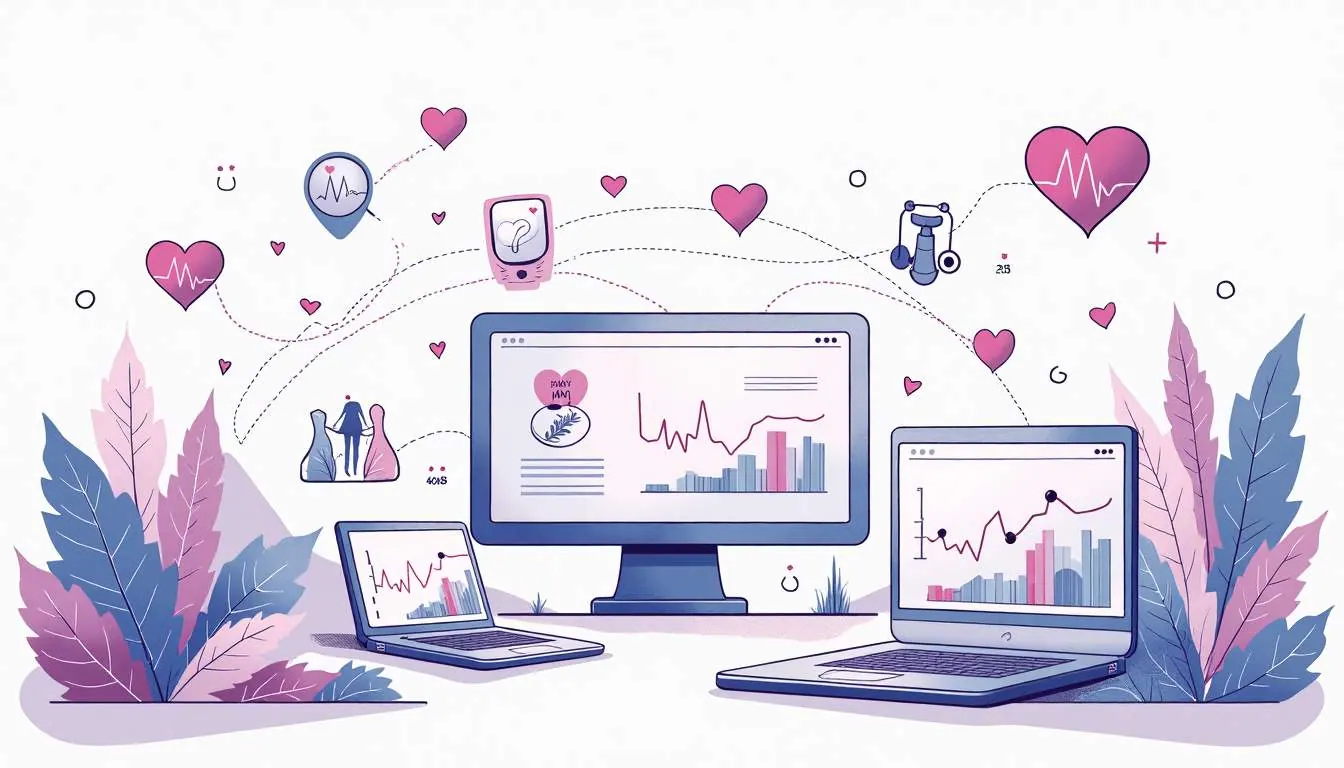
The Future of Healthcare: Exploring the Benefits of Virtual Primary Care
The Future of Healthcare: Exploring the Benefits of Virtual Primary Care
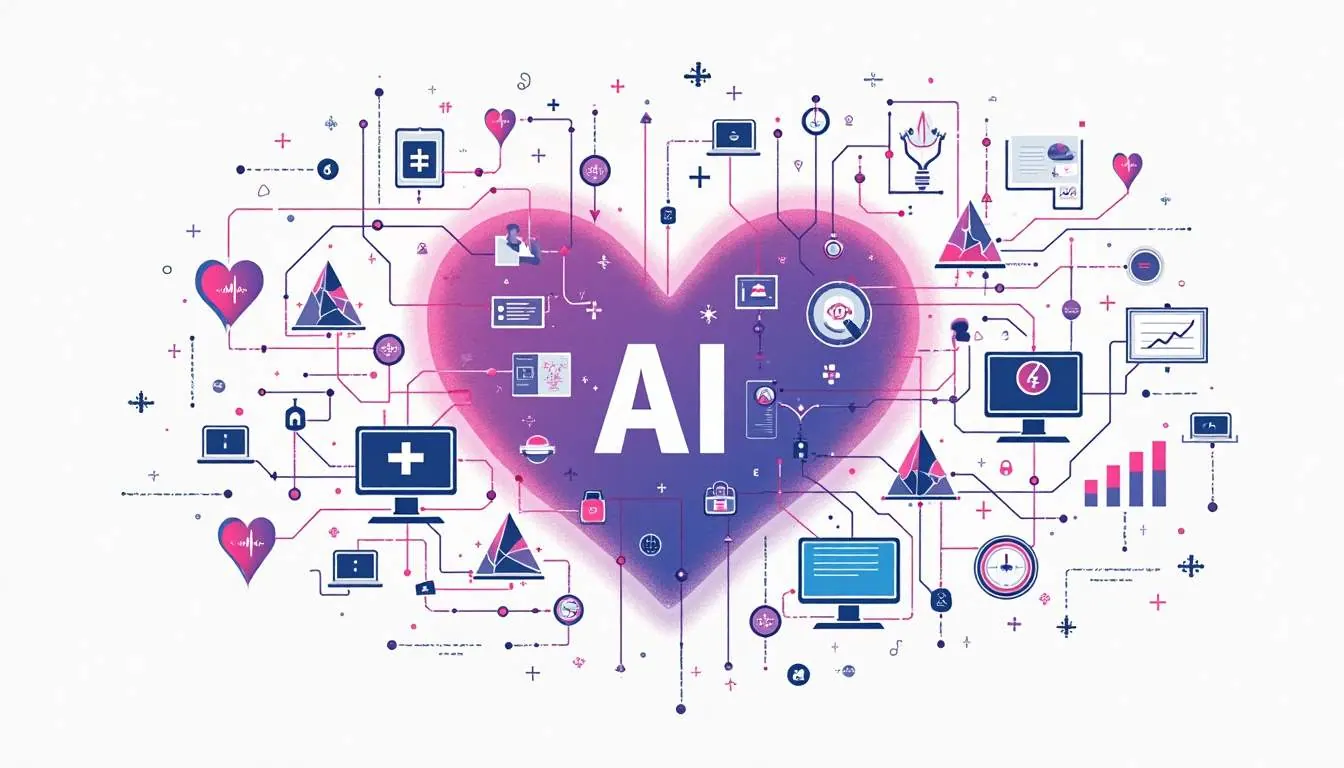
AI in Healthcare: Transforming Patient Care and Medical Practices
Discover how AI is revolutionizing healthcare by enhancing patient care and streamlining medical practices.

Automated Customer Service Solutions | 24/7 AI Support
Automated customer service helps businesses respond instantly to customer inquiries while reducing operational costs and improving efficiency. HelpSquad’s AI-powered solutions provide 24/7 support across chat, email, and voice, handling repetitive requests, FAQs, and routine serv

The Role of Data Integrity in AI-Powered Customer Support Solutions
Artificial intelligence (AI) is making waves in customer support. Faster responses, personalized service, and all-around efficiency. The catch? None of it works without good data. AI is only as good as the information it’s trained on. If your data is a mess, your AI will follow s

Conversational AI vs. Live Agents: Finding the Perfect Balance
Call center services evolve quickly to meet modern customer needs. Companies must offer efficient, personalized support. Conversational AI and live agents are key solutions. This article examines both to help businesses strike the right balance. What is Conversational AI? Convers
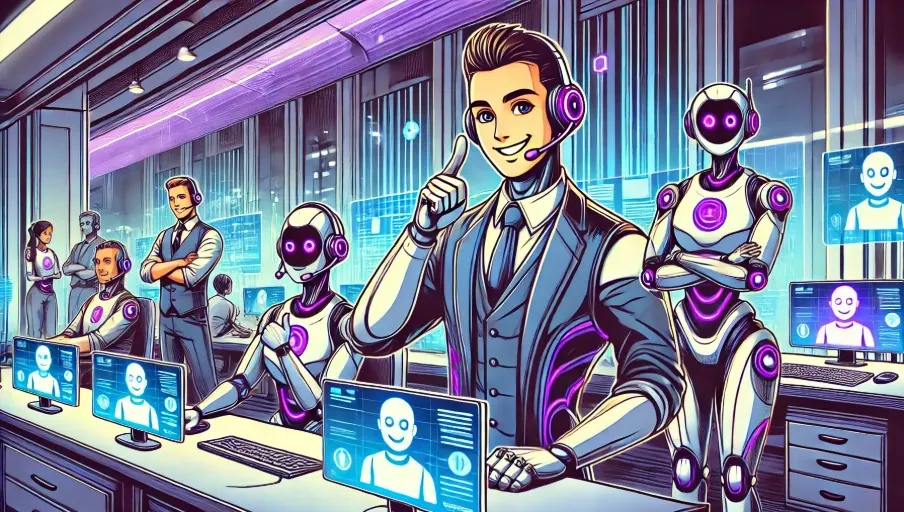
The Rise of AI for Customer Service
AI for customer service is revolutionizing the customer-business interaction, thus improving customer satisfaction. It takes over the mundane tasks and provides quick, tailor-made support. The AI-powered systems bring about a radical change in the customer service area, replacing
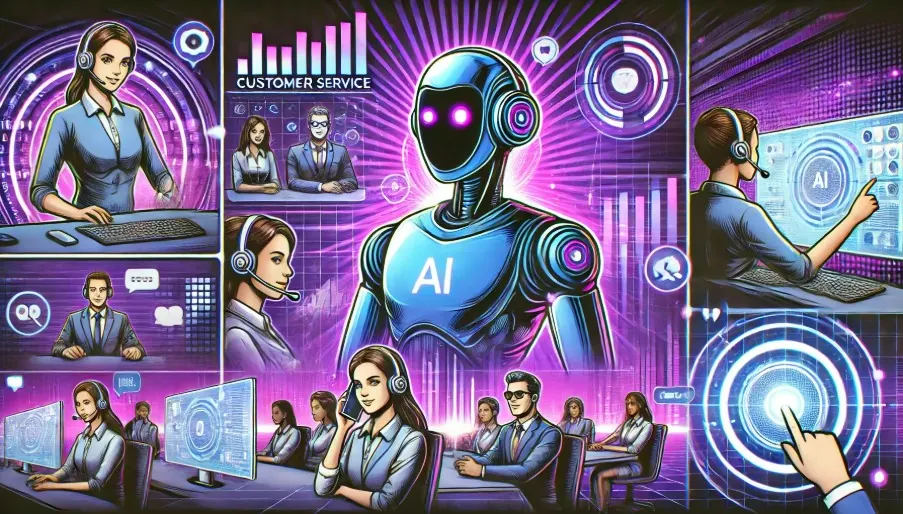
AI Customer Service: Transforming Support for the Modern Era
Understanding AI in Customer Service AI customer service transforms how businesses engage with customers. It boosts support, simplifies workflows, and improves customer experiences. Companies now use AI tools to manage tasks like answering questions, solving problems, and giving
Let's talk about what your practice actually needs.
A 30-minute call. No sales pressure. We'll tell you honestly whether we're a fit.